
NEWS CENTER
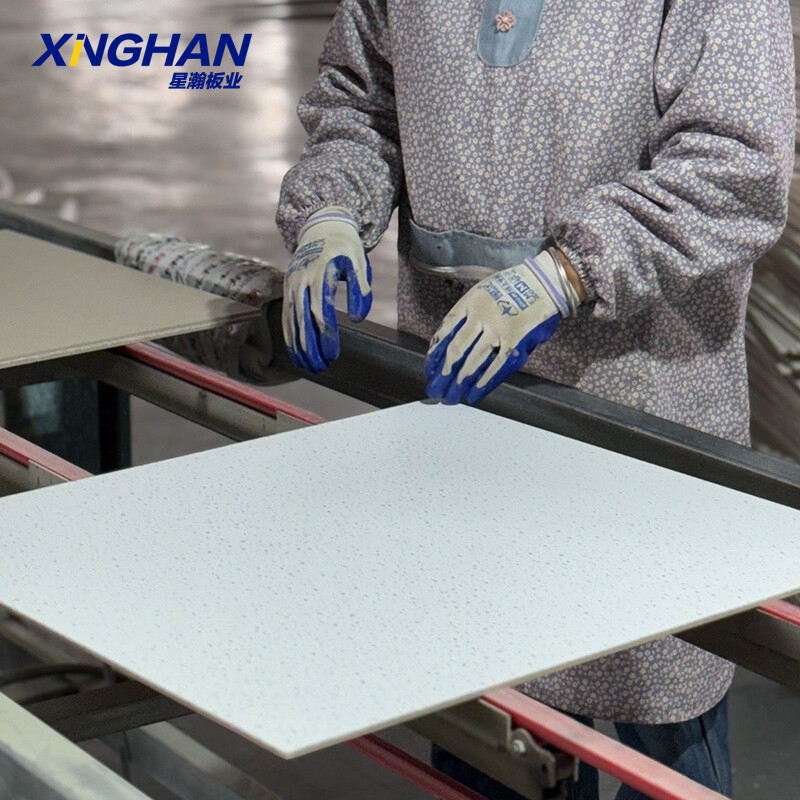
As 2025 progresses, global industries-from metallurgy and energy to electronics and new materials-are placing greater emphasis on efficiency, thermal reliability, and lightweight insulation solutions. This trend has driven a significant rise in demand for ceramic fiber paper, a versatile high-temperature insulation material known for its uniform structure, low thermal conductivity, and excellent processability.
Recent market observations show that ceramic fiber paper is no longer viewed purely as a supplementary sealing material but as a strategic component in many high-temperature systems.
Industry Shift - Why Ceramic Fiber Paper Is Gaining Momentum
Unlike traditional refractory materials, ceramic fiber paper provides a balance of performance and flexibility that aligns with new-generation industrial requirements. Three forces are driving its rapid adoption:
1. Higher thermal efficiency targets in furnaces, kilns, and heat-treatment equipment.
2. A growing need for lightweight insulation to reduce energy consumption and improve operational precision.
3. Increased adoption of bio-soluble insulation materials, such as soluble fiber paper, to meet global safety standards.
These shifts are especially evident in metallurgy, petrochemicals, ceramics manufacturing, and emerging battery-related applications.
New Applications Emerging in High-Growth Sectors
1. Battery and Power Storage Systems
High-temperature insulation paper is increasingly used as a thermal barrier layer, improving protection and stability in lithium and sodium battery systems.
2. Micro-Thermal Equipment & Lab Furnaces
Its low shot content and smooth surface allow precise sealing and consistent heat distribution.
3. Clean-Energy Equipment
Hydrogen energy, fuel-cell components, and high-temperature reactors benefit from refractory ceramic fiber materials that resist thermal shock while remaining lightweight.
4. Traditional Heavy Industries
Ceramic fiber paper supports operations in:
Metal casting
Kiln door seals
Expansion joints
High-temperature filtration systems
Gasket and insulation interfaces
Technology Update - Improvements in Fiber Purity and Forming Techniques
Recent technological developments have elevated ceramic fiber paper performance:
Higher-purity ceramic fibers
Improved wet-forming uniformity
Cleaner burnout with controlled organic content
Increased adoption of soluble fiber paper as an eco-friendly alternative
These advancements help manufacturers deliver more efficient thermal insulation materials for modern industrial needs.
How to Select the Right Ceramic Fiber Paper
Companies evaluating insulation materials should consider:
Operating temperature (1000°C–1260°C)
Proper thickness and density
Need for low-bio-persistence soluble fiber paper
Application: sealing, cushioning, or thermal isolation
Compliance with safety and environmental standards
Navigation