
NEWS CENTER
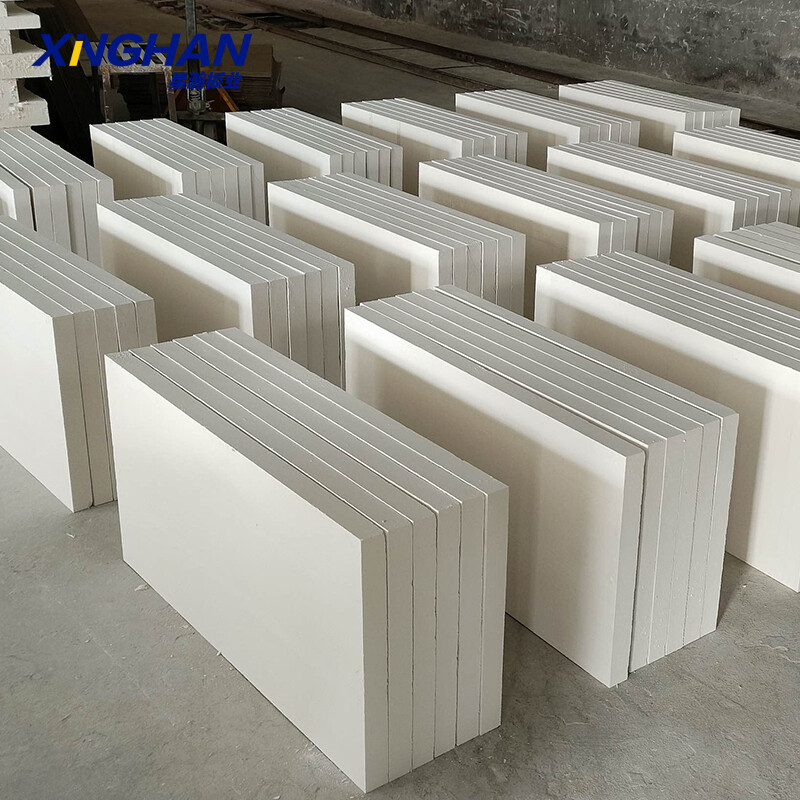
Calcium silicate board is tough and does not have asbestos. It is made from silica sand, cement, and fibers. Builders and factories use
calcium silicate board for walls and ceilings. They also use it for insulation. It can resist fire, moisture, and sound.
The world market for calcium silicate board is getting bigger. Asia-Pacific makes and uses the most of it. People should know its features
and uses. This helps them make good choices in building and industry.
Insulating Calcium Silicate
Key Takeaways
Calcium silicate board is a strong building material. It does not burn easily and does not get damaged by water. It is made from natural
minerals and fibers. It does not have asbestos.
It is light and simple to put in place. This makes it good for walls and ceilings. It is also used for insulation and soundproofing. People
use it in homes, offices, and factories.
The board gives great fire protection. It keeps heat in and blocks water and noise. This helps save energy and keeps people safe.
You need to be careful when putting it in. Skilled workers should do the job to stop cracks and damage. Using the right tools is important
for the best results.
Calcium silicate board costs more than some other choices. But it lasts longer and does not need much fixing. This makes it a
good deal over time.
Calcium Silicate Board Overview
Calcium Silicate Board丨Used for Interior and Exterior Wall Decoration of Ordinary Residential Houses
What is the Composition of Calcium Silicate Board ?
Calcium silicate board is made from natural minerals and some waste from factories. The main parts are silica sand, quartz powder,
diatomite, and fly ash. These mix with things like lime powder, cement, quicklime, and calcium hydroxide. Makers add fibers such as
wood paper fiber, wollastonite, cotton fiber, and mineral fibers. These fibers make the board stronger and help stop cracks.
The process uses special chemicals to make the board work better. Calcium silicate boards do not have asbestos.
This makes them safe and not able to burn. When calcium and silica react, they form strong crystals called tobermorite.
These crystals make the board last longer and stay stable. Some boards also have gypsum and calcium aluminate. This makes the
board even stronger and good for long use.
Note: Using waste like coal fly ash and carbide slag saves money and helps the environment.
What Are the Advantages of Calcium Silicate Boards?
Calcium silicate boards have many good features for building and factories.
They are lightweight, making them easy to handle and install. They are non-combustible and can resist fire for up to 4 hours, withstanding
heat up to 1200℃—ideal for fireproof walls and ceilings. The boards are waterproof, preventing mold and mildew. They also provide thermal
insulation to save energy and sound insulation to reduce noise. In addition, their smooth surface is easy to paint or finish.
Calcium silicate board packaging
But, these boards can break if you put too much force on them.
Property/Aspect
Calcium Silicate Board
Cement Board
Weight
Light, good for walls and ceilings
Heavy, good for strong walls
Fire Resistance
Very good, lasts over 2 hours
Okay, not as good for long fires
Moisture Resistance
Good in damp places, but not in water
Very good, best for wet places
Durability
Lasts long but can break if hit hard
Strong, works well if hit
Good things about calcium silicate boards:
Light and simple to put up
Great at stopping fire and heat
Blocks sound well
Bad things:
Can break if pushed too hard
Costs more than cement boards
How Is Calcium Silicate Board Manufactured?
Making calcium silicate board takes a few steps:
Workers grind quartz sand, mix quicklime, and get fibers ready.
They mix the fibers with calcium and silica to make a thick liquid.
The liquid is shaped into sheets by two ways. One way lines up the fibers. The other way mixes fibers in all directions.
The sheets are steamed under high heat and pressure. This step makes tobermorite crystals. These crystals give the board strength
and stop water.
Workers dry the sheets and check if they are good.
The boards are cut and sometimes get extra surface work.
Tip: Steaming can be done two ways. One way makes bigger, even crystals and more holes. This helps keep heat in but costs more.
Calcium silicate boards are usually 6 to 12 mm thick. They are lighter than fiber cement sheets. Most boards are white and do not need
pressing when made. Using minerals and waste helps save energy and makes buildings lighter.
What Are the Applications of Calcium Silicate Boards?
Calcium silicate boards are primarily used in construction for their fire-resistant and thermal insulation properties. They are ideal for ceilings,
partitions, and wall linings, ensuring both safety and energy efficiency in buildings.
Construction Uses
Calcium silicate boards are used in many building jobs. Builders put these panels on walls, ceilings, and floors. They work in hom
Navigation